
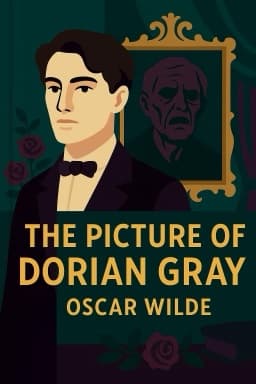
From Victorian Scandal to Pop Culture Icon: The Enduring Legacy of Dorian Gray
How a Controversial Novel Became a Timeless Symbol

How a Controversial Novel Became a Timeless Symbol
When Oscar Wilde published 'The Picture of Dorian Gray,' Victorian England was scandalized. Critics called it immoral, dangerous, even corrupting. Yet, over a century later, the story of Dorian Gray is more famous—and more relevant—than ever. How did a tale of beauty, corruption, and a supernatural portrait become a global icon?
Wilde’s novel broke every rule. It challenged social norms, questioned the value of appearances, and dared to suggest that art could be both beautiful and subversive. The controversies only fueled its fame. Early editions were censored; Wilde himself was put on trial for 'gross indecency.' But the story survived—and thrived. 1
Today, Dorian Gray appears everywhere: in films, TV shows, graphic novels, and even fashion. The portrait has become a symbol of the dangers of vanity and the seduction of eternal youth. Wilde’s wit and wisdom echo in pop culture references and memes.
But the novel’s legacy is deeper than its scandals. It continues to challenge readers to look beyond the surface, to question the price of perfection, and to seek meaning beneath the mask. In an age obsessed with image, Dorian Gray’s story is a warning and an inspiration—proof that great art never dies.
Conclusion: Dorian Gray Lives On
From Victorian scandal to pop culture legend, Dorian Gray’s journey is a testament to the enduring power of art and the timelessness of Wilde’s vision. 1 2
Want to explore more insights from this book?
Read the full book summary