
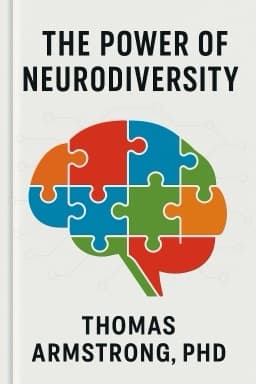
Autism Unveiled: The Genius Behind the Spectrum You Didn’t Know
A fresh perspective on autism highlighting its cognitive gifts and how to nurture them.

Autism spectrum conditions have long been misunderstood, often viewed through a lens of deficits and social limitations. However, a growing body of research and personal narratives reveals a different story—one of extraordinary cognitive gifts and unique ways of engaging with the world.
Autistic minds tend to be systematizers rather than empathizers. This means they excel at understanding, predicting, and controlling systems—whether mechanical, mathematical, or natural. This cognitive style has fueled some of humanity’s greatest innovations, from stone tools to advanced technology. Their attention to detail and preference for predictability manifest as intense special interests that provide comfort, identity, and pathways to mastery.
Visual-spatial skills are often exceptional in autism. Many individuals outperform neurotypical peers in tasks requiring pattern recognition, memory for details, and holistic perception. These strengths contribute to talents in art, music, engineering, and science. Sensory sensitivities, while sometimes challenging, serve as important self-regulation tools and require environments that respect and accommodate them.
Supporting autistic individuals means creating niches that honor their passions and sensory needs. Early intervention that uses interest-driven, playful approaches fosters natural engagement and emotional connection. Assistive technologies and communication tools empower meaningful interaction and autonomy.
Embracing autism’s gifts enriches society by broadening the range of human thought and creativity. Inclusion means valuing systematizing minds alongside empathizing ones, building a world where all ways of thinking are respected and nurtured.
Sources: Armstrong’s
Want to explore more insights from this book?
Read the full book summary