
Why Your 'Stupid' Idea Might Be the Smartest Move You Ever Make
Unlocking the hidden genius in ideas dismissed as foolish and how to turn them into success.

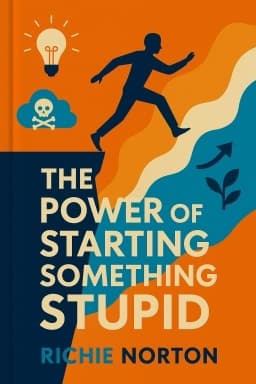
Have you ever had an idea so wild, so unconventional, that the first reaction from friends or even yourself was to dismiss it as 'stupid'? What if I told you that this very idea could be the key to unlocking your greatest potential? The book 'Stupid as the New Smart' challenges our cultural bias against 'stupid' ideas, revealing that many breakthroughs come from those who dare to start something others deem foolish.
History is littered with inventions and concepts initially rejected — the telephone was once deemed useless, blue jeans were considered odd, and some of the world's most successful companies began with what seemed like naive dreams.
Fear convinces us that failure is inevitable, pride makes us avoid vulnerability, and procrastination whispers that tomorrow is always better. Yet, by recognizing these barriers, we can dismantle them. The book introduces the START framework — Serve, Thank, Ask, Receive, and Trust — as a way to build genuine relationships and networks that support our dreams.
Resourcefulness is another critical element. Time is the most precious resource, and unlike money or education, it cannot be replenished. Learning to leverage what you have — your skills, your network, your limited funds — propels you forward. Breaking your big dreams into small, manageable projects reduces overwhelm and builds momentum.
Consider the story of a blogger who turned a hobby into a multimillion-dollar business by treating writing as a series of small projects with clear goals. Commitment is the fuel that powers this journey — without it, even the best ideas falter.
Ultimately, 'stupid' ideas are not foolish but bold. They require courage to start, humility to learn, and persistence to grow. As you embrace your unique ideas, remember that starting imperfectly is better than not starting at all.
So, are you ready to start your 'stupid' idea today?
Want to explore more insights from this book?
Read the full book summary