
3 Surprising Reasons Why Your Soulmate Might Not Exist
Why believing in soulmates may be sabotaging your love life and what science says about finding real, lasting love.

From fairy tales to movies, the idea of a soulmate captivates us—the one perfect person destined to complete us. But what if this beloved notion is more harmful than helpful?
Reason one: limited partner pools. With only three 'wishes' or priorities to allocate, seeking someone who matches every ideal trait drastically reduces your options. For example, wanting a partner who is not only attractive but also shares your religion and hobbies may leave you with only a handful of potential matches in a large population.
Reason two: human personality is complex and stable. Traits like neuroticism, agreeableness, and attachment styles influence how well partners mesh. No soulmate perfectly matches all these dimensions; instead, compatibility is a dynamic balance.
Reason three: attachment styles shape how we love and trust. Anxious or avoidant patterns can create cycles of conflict and distance, regardless of how 'perfect' a partner seems initially.
Rather than chasing an elusive soulmate, science encourages focusing on kindness, emotional stability, and shared values. Behavioral activation—clarifying what you want and taking deliberate steps—helps turn romantic wishes into reality.
Embracing these truths frees you from unrealistic expectations and opens the door to genuine, lasting love built on understanding and intention.
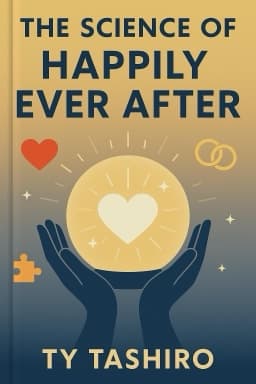
References: The Science of Happily Ever After by Ty Tashiro, Blinkist summary, Ashish B. book summary.
Want to explore more insights from this book?
Read the full book summary