
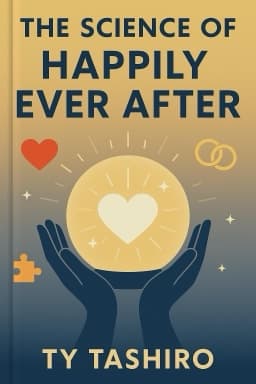
How to Hack Your Brain for Happily Ever After: The Ultimate Relationship Guide
Unlock the neuroscience behind love and learn actionable hacks to build stronger, happier relationships.

Love is often described as a mysterious force, but neuroscience reveals it as a series of chemical and psychological processes shaped by evolution and experience.
Lust, driven by hormones like testosterone and estrogen, ignites passion but naturally declines at about 8% per year. Liking, associated with oxytocin and serotonin, fosters emotional bonding and declines more slowly. This explains why the initial thrill fades but deeper affection can grow.
Attachment styles are also wired early in life through neural pathways formed by caregiver interactions. Secure attachment creates healthy brain responses to trust and intimacy, while anxious or avoidant styles correspond to heightened stress responses or emotional withdrawal.
Behavioral activation leverages neuroplasticity—the brain’s ability to change—to build new habits and thought patterns that support healthy relationships. Setting goals, reflecting on past patterns, and practicing new behaviors rewires your brain for love.
By hacking your brain with knowledge and intention, you can overcome evolutionary traps, cultural myths, and personal limitations to create a love story grounded in science and sustained by choice.
References: The Science of Happily Ever After by Ty Tashiro, Harlequin Books, Food Heaven Made Easy interview.
Want to explore more insights from this book?
Read the full book summary