
The Shocking Truth About Why Most Relationships Fail (And How to Fix Yours)
Uncover the hidden psychological reasons behind relationship breakdowns and learn science-backed strategies to build lasting love.

It’s a painful reality: nearly 60% of marriages end in divorce or permanent separation. But why? The answer lies not in bad luck but in a series of psychological traps and cultural legacies that distort how we choose partners and maintain relationships.
One major culprit is the Romantic Era’s sudden shift from marriage as survival to marriage as passionate love. This shift created a cultural narrative filled with soul mates, destiny, and magical connections. While enchanting, these ideals often set us up for disappointment by overshadowing practical considerations like personality compatibility and emotional stability.
Attachment theory offers critical insight here. Early childhood bonds with caregivers shape our attachment styles—secure, anxious, or avoidant—that influence how we trust, communicate, and connect as adults. Securely attached individuals tend to have healthier, longer-lasting relationships, while anxious or avoidant patterns often lead to conflict and breakups.
Personality traits also play an outsized role. High neuroticism predicts dissatisfaction and instability, while high agreeableness and low neuroticism promote happiness and cooperation. Physical attractiveness and wealth, while initially alluring, have limited predictive value for long-term success.
Consider the story of a woman who, after several painful breakups with attractive but emotionally unstable partners, chose a kind and dependable man who lacked superficial appeal. Their relationship, grounded in mutual respect and emotional safety, blossomed into lasting love.
Behavioral activation provides a powerful tool to break negative cycles. By clarifying what you want, reflecting on past mistakes, and taking deliberate steps toward healthy relationships, you can rewrite your romantic future.
In conclusion, fixing a failing relationship or finding lasting love requires more than hope—it demands understanding the science of human connection and applying it with intention. By embracing this knowledge, you can avoid common pitfalls and build a love that endures.
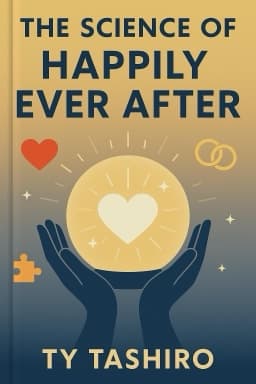
References: The Science of Happily Ever After by Ty Tashiro, Ashish B. book summary, Food Heaven Made Easy interview.
Want to explore more insights from this book?
Read the full book summary