
Why Your Love Life Might Be Doomed (And How Science Can Save It)
Discover the surprising science behind why most relationships fail and how you can beat the odds using proven psychological insights.

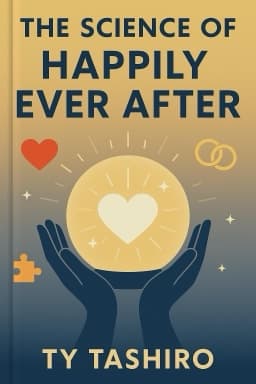
Have you ever wondered why so many romantic relationships seem to fall apart despite our best intentions? The truth is, love isn’t just about chemistry or fate—it’s about understanding the intricate science behind human connection.
One of the first revelations from Ty Tashiro’s research is that love is not a singular emotion but a blend of two essential components: liking and lust. Liking encompasses kindness, fairness, and loyalty—the qualities that build trust and emotional safety. Lust, the fiery passion and sexual desire, ignites initial attraction but fades faster than liking over time. This explains why the honeymoon phase often gives way to a more subdued but deeper affection.
But here’s where it gets tricky: humans have only about three 'wishes' or priorities when choosing a partner. Wanting too many rare traits—like being both extremely attractive, athletic, and sharing a specific religion—dramatically shrinks the pool of potential mates. This combinatorial limitation means that prioritizing wisely is essential to avoid chronic dissatisfaction or loneliness.
Compounding these challenges is the legacy of the Romantic Era, which shifted marriage goals from economic survival to passionate love. This sudden cultural change left us with enchanting but unrealistic expectations fueled by fairy tales and media. The belief in soul mates and love at first sight, while appealing, often blinds us to practical realities, causing repeated mistakes in partner choice.
Physical attractiveness plays a powerful role in initial attraction, driven by evolutionary cues such as facial symmetry and average features signaling health. However, the 'What is beautiful is good' stereotype can mislead us into overvaluing looks at the expense of personality and compatibility. Numerous studies show that physical beauty alone does not predict relationship satisfaction or stability.
Instead, personality traits like low neuroticism (emotional stability), high agreeableness (kindness and cooperation), and moderate novelty seeking predict long-term relationship success. These traits foster positive communication, emotional support, and resilience through conflict.
Attachment styles formed in childhood—secure, anxious, or avoidant—also profoundly influence adult romantic relationships. Securely attached individuals build trust and manage conflict effectively, while anxious or avoidant styles can lead to instability and dissatisfaction.
Finally, the science of love offers hope through behavioral activation: setting clear goals, reflecting on past relationship patterns, and taking deliberate action to pursue fulfilling partnerships. This approach empowers individuals to move beyond passive wishing and actively shape their romantic futures.
In summary, the journey to happily ever after is complex but navigable. By understanding the science behind love’s components, recognizing our limited wishes, overcoming cultural myths, and focusing on personality and attachment, anyone can increase their chances of lasting happiness. The power lies in clarity, intention, and informed choice.
If you’re ready to rewrite your love story with wisdom and optimism, dive deeper into these insights and start making your wishes come true.
References: The Science of Happily Ever After by Ty Tashiro, Blinkist summary, Harlequin Books, Food Heaven Made Easy interview.
Want to explore more insights from this book?
Read the full book summary