
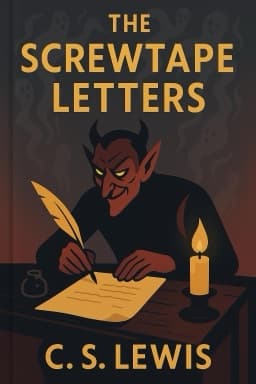
The Art of Subtle Warfare: How The Screwtape Letters Unmasks Everyday Evil
Evil rarely looks like a villain—it often looks like convenience, comfort, and compromise.

When we think of evil, we often picture dramatic villains or catastrophic events. But C.S. Lewis’s The Screwtape Letters challenges this view, showing that the most dangerous temptations are often the most ordinary. Screwtape and Wormwood are not interested in grand acts of wickedness; they prefer the small, unnoticed compromises that slowly erode the soul.
Lewis’s book is full of examples: a person who delays an important apology, a friend who chooses gossip over honesty, a worker who cuts corners because 'everyone does it.' These are not headline-making sins, but they add up. Screwtape’s genius is in making evil seem normal, even respectable. In the modern world, this can look like rationalizing dishonesty, ignoring injustice, or simply choosing comfort over conscience.
Recognizing these subtle temptations is the first step to overcoming them. Lewis’s message is that evil thrives in the shadows—when we bring our choices into the light, we see them for what they are. The Screwtape Letters encourages readers to practice honesty, courage, and self-reflection, not just in the big moments but in the small, daily decisions that shape our lives.
By unmasking the art of subtle warfare, Lewis gives us the tools to resist. The battle may be quiet, but it is no less real—and the victory is won, one small choice at a time.
References: SparkNotes on Themes 2 , Blinkist Key Ideas 4 , A Pilgrim in Narnia 1
Want to explore more insights from this book?
Read the full book summary