
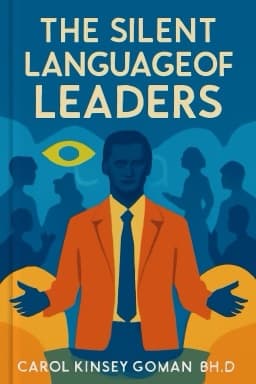
The Hidden Signals of Negotiation: Reading Feet, Hands, and Eyes to Win Every Time
Master the art of silent communication to decode intentions and gain the upper hand in any negotiation.

Negotiation is often portrayed as a contest of words, but beneath the surface lies a rich tapestry of silent signals that can make or break the deal.
Feet and legs, often overlooked, are windows into hidden emotions. Because they are less consciously controlled, movements like bouncing knees, pointed toes, or crossed ankles can indicate nervousness, eagerness to leave, or agreement. For example, a negotiator whose feet angle toward the door may be signaling a desire to end the discussion.
Hands tell another story. Open palms convey honesty and openness, while clenched fists or hidden hands suggest defensiveness or deception. The handshake remains a critical moment; a firm, palm-to-palm grip combined with steady eye contact sets a tone of confidence and trust.
Facial expressions and eye behavior are equally revealing. Increased blink rates, pupil dilation, and microexpressions—brief, involuntary facial movements—can betray stress or lying. However, skilled negotiators may mask these signs, so reading clusters of cues and baseline behaviors is essential.
Mirroring is a powerful strategy to build rapport. Subtly adopting your counterpart’s posture, gestures, or breathing rhythm fosters connection and trust, making them more receptive to your proposals.
Interpreting body language in negotiation requires attention to context and congruence. For instance, a confident verbal statement paired with closed arms and averted gaze sends mixed messages, undermining credibility.
By honing your ability to read and project silent signals, you gain a strategic edge. You can detect hidden agendas, ease tensions, and create a collaborative atmosphere that leads to win-win outcomes.
Mastering the silent language of negotiation transforms conversations from battles of words into dynamic, intuitive dialogues.
Want to explore more insights from this book?
Read the full book summary