
6 Life-Changing Practices to Skyrocket Your Self-Esteem Starting Today!
Simple Yet Powerful Steps You Can Take Right Now to Transform How You Feel About Yourself

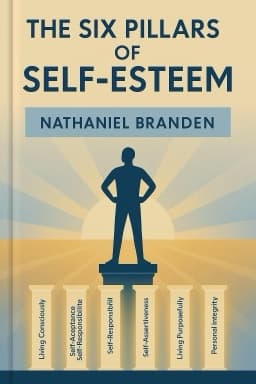
Are you ready to transform your self-esteem and unlock your true potential? The good news is that building confidence is not about overnight miracles but about consistent, meaningful habits. Here are six life-changing practices that align with the pillars of self-esteem, designed to empower you immediately.
1. Live Consciously
Start by becoming more aware of your thoughts and feelings. Try daily mindfulness exercises like focused breathing or journaling your experiences. This awareness helps you respond thoughtfully instead of reacting impulsively, strengthening your trust in your mind.
2. Practice Self-Acceptance
Make a habit of acknowledging your strengths and imperfections without judgment. Write down three things you appreciate about yourself each day, including areas you want to improve. This compassionate practice nurtures inner peace and resilience.
3. Take Responsibility
Own your choices and their outcomes. When faced with challenges, ask yourself, “What can I do differently?” This mindset shift increases your sense of control and autonomy.
4. Be Self-Assertive
Express your needs and boundaries clearly and respectfully. Start with small situations, like stating your preferences with friends or colleagues. This builds confidence in standing up for yourself.
5. Live Purposefully
Set meaningful goals aligned with your values. Break them into manageable steps and celebrate progress. Purpose fuels motivation and gives your efforts significance.
6. Act with Integrity
Ensure your actions reflect your beliefs. Reflect regularly on whether you are living authentically and make adjustments as needed. Integrity builds self-trust and dignity.
By incorporating these practices into your daily routine, you create a powerful foundation for lasting self-esteem. Remember, growth is a journey, not a destination. Celebrate your progress and be patient with yourself.
References: Practical applications inspired by leading self-esteem frameworks and personal development experts 2 , 3 .
Want to explore more insights from this book?
Read the full book summary