
Why Most People Fail at Building Self-Esteem and How You Can Succeed
Common Traps That Undermine Confidence and Proven Strategies to Overcome Them

Building self-esteem is often misunderstood, leading many down frustrating paths that yield only temporary or superficial results. Understanding common pitfalls is the first step to genuine transformation.
One major mistake is confusing self-esteem with arrogance or narcissism. Healthy self-esteem is grounded in humility and authenticity, not inflated ego. Another trap is neglecting the foundational pillars—people may try to boost confidence through external validation or quick fixes without cultivating self-efficacy, self-respect, and integrity.
Avoidance of conscious living is another barrier. Denying uncomfortable truths or suppressing emotions weakens self-esteem over time. Fear of vulnerability prevents honest self-assertion and authentic relationships, further eroding confidence.
Additionally, many rely excessively on others’ approval, which is unstable and undermines autonomy. True self-esteem arises from within, through responsible choices and purposeful living.
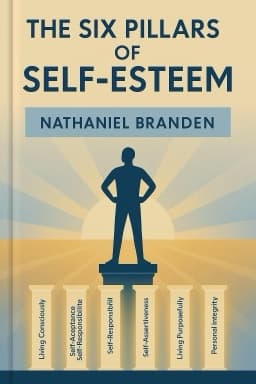
To succeed, adopt a holistic approach that integrates all six pillars: living consciously, self-acceptance, self-responsibility, self-assertiveness, purposeful living, and personal integrity. This comprehensive framework addresses both internal and external dimensions of self-esteem.
Practical strategies include mindfulness practices, journaling, setting boundaries, goal-setting aligned with values, and regular self-reflection. Embrace vulnerability as a strength and seek internal validation through integrity.
By avoiding common traps and committing to these principles, you can build authentic, resilient self-esteem that supports a fulfilling life.
References: Insights synthesized from expert analyses and psychological research on self-esteem challenges and solutions 1 , 2 , 4 .
Want to explore more insights from this book?
Read the full book summary