
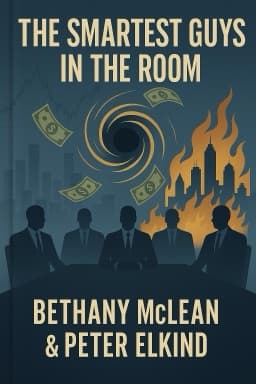
Enron Unmasked: The Rise, Fall, and Lessons of Corporate America’s Greatest Scandal
How a Texas Energy Giant Became a Global Cautionary Tale

How a Texas Energy Giant Became a Global Cautionary Tale
Few stories in modern business history are as riveting—and as educational—as the saga of Enron. Once a modest pipeline operator, Enron grew into a symbol of innovation, ambition, and ultimately, catastrophic failure. The company’s journey from humble beginnings to global infamy is a testament to both the power and peril of unchecked ambition.
Enron’s rise began in the deregulated energy markets of the 1980s and 1990s, where visionary leaders like Ken Lay and Jeff Skilling saw opportunities to transform the way energy was bought and sold. The company’s ‘Gas Bank’ innovation allowed it to trade energy like financial securities, giving birth to new markets and dazzling Wall Street with its apparent profitability. But beneath the surface, the culture of relentless competition—fueled by ‘rank and yank’ performance reviews—created an environment where risk-taking was rewarded and ethical concerns were often brushed aside.
Financial wizardry became Enron’s hallmark. The company pioneered complex accounting techniques, such as mark-to-market accounting, which allowed it to book future profits immediately. This practice, while technically legal, created a mirage of steady growth and masked growing vulnerabilities. As Enron’s ambitions soared, so did its appetite for secrecy. Off-balance-sheet partnerships, with cryptic names like LJM and Chewco, were used to hide debt and inflate profits. Executives, including CFO Andy Fastow, personally profited from these arrangements, while major banks and auditors turned a blind eye in exchange for lucrative fees.
Despite mounting warning signs, few dared to question Enron’s success. Whistleblowers like Sherron Watkins tried to raise concerns, but their voices were often marginalized. The company’s culture of winning at all costs, combined with the complicity of external advisors, allowed the deception to continue until it was too late.
The collapse came suddenly. As the truth about Enron’s finances emerged, the stock price plummeted, wiping out billions in shareholder value and devastating employees whose retirement savings were tied to company stock. The bankruptcy was the largest in U.S. history at the time, and the fallout led to sweeping regulatory reforms, including the Sarbanes-Oxley Act, which aimed to restore trust and accountability in corporate America.
Today, Enron’s legacy lives on as a cautionary tale in business schools and boardrooms around the world. Its story is a reminder that innovation and ambition, when unmoored from ethics and transparency, can lead to disaster. But it is also a story of resilience and renewal, as individuals and institutions learn from the past and strive to build a more trustworthy future.
Let Enron’s story inspire us all to value integrity, question easy answers, and remember that true success is built not just on brilliance, but on trust.
Want to explore more insights from this book?
Read the full book summary