
Article from Book Summary
The Social Contract Explained: 5 Surprising Lessons for Everyday Life
What Rousseau’s Social Contract Can Teach You About Family, Work, and Community

The Book Nook
August 8, 20257.1K views
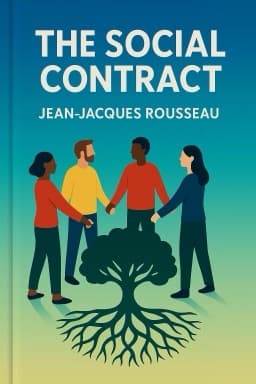
The Social ContractJean-Jacques Rousseau
What Rousseau’s Social Contract Can Teach You About Family, Work, and Community
Rousseau’s 'The Social Contract' isn’t just for politicians—it’s a guide for anyone who wants to live more freely and harmoniously. Here are five lessons you can apply today:
- Voluntary Association: Just as citizens choose their rulers, you can choose your commitments. Don’t be afraid to leave toxic environments or seek out communities that share your values.
- Mutual Respect: The social contract is built on equality. At work and home, treat others as equals, and demand the same in return. This builds trust and cooperation.
- Shared Responsibility: Freedom means more when it’s shared. Whether it’s household chores or team projects, divide responsibilities fairly and celebrate collective achievements.
- Question Authority: Rousseau teaches us to challenge unjust rules. If something feels wrong—at school, work, or in your neighborhood—speak up and seek change.
- Civic Engagement: Don’t just complain—participate! Vote, volunteer, and get involved. Small acts add up to big changes.
By living the social contract, you create freedom not just for yourself, but for everyone around you. 1 3
Want to explore more insights from this book?
Read the full book summary