
The Secret Psychology of Meetings: Why We Tune Out (And How to Get Back In)
Unlock the Hidden Forces That Shape Every Meeting—and How to Harness Them

Unlock the Hidden Forces That Shape Every Meeting—and How to Harness Them
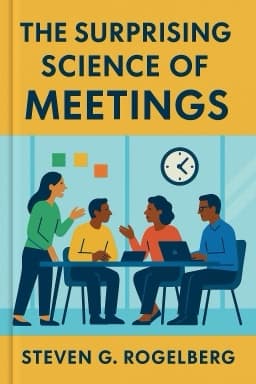
Why do so many meetings feel like a waste of time? The answer lies not just in bad agendas or poor time management, but in the psychology of meetings themselves. Steven G. Rogelberg’s research reveals that most leaders think their meetings are better than they really are—a cognitive bias known as the Lake Wobegon Effect. This blind spot keeps leaders from seeking feedback and improving. Meanwhile, attendees suffer from 'meeting recovery syndrome,' a real phenomenon where the frustration and disengagement from bad meetings linger long after the meeting ends, dragging down morale and productivity.
But meetings can also be powerful engines for inclusion and engagement—if we understand the social dynamics at play. Psychological safety, or the belief that it’s safe to speak up without fear of ridicule, is the foundation of great meetings. Leaders who foster this safety by inviting feedback, rotating facilitation, and recognizing contributions unlock higher creativity and participation. Inclusion isn’t just about who’s at the table; it’s about how we make space for every voice, especially those less likely to speak up.
Practical strategies include using anonymous digital tools for input, brainwriting for silent idea generation, and creating rituals that celebrate small wins. Leaders should also look for nonverbal cues—like multitasking, side conversations, or disengaged body language—as signals that something needs to change. By understanding and addressing the psychology of meetings, we can transform them from energy drains into sources of connection and innovation.
Sources: Steven G. Rogelberg, The Surprising Science of Meetings; bregmanpartners.com; graduate.asu.edu
Want to explore more insights from this book?
Read the full book summary