
From Resentment to Freedom: How Active Love Can Heal Your Heart
Break free from the prison of anger with a simple yet profound practice of unconditional love.

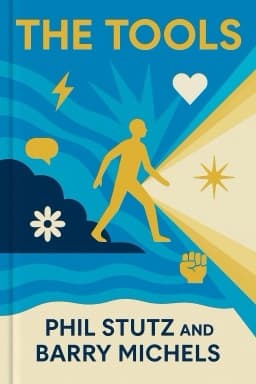
Anger and resentment are among the most corrosive emotions we carry. They trap us in a mental maze where our thoughts circle endlessly around perceived wrongs, blocking peace and growth. "The Tools" by Phil Stutz and Barry Michels offers a powerful antidote: Active Love, a practice of sending unconditional love to those who provoke our anger, freeing our hearts and minds.
This mental maze is fueled by the illusion of fairness—the expectation that life should treat us justly. When reality violates this, we cling to anger and fantasies of revenge, deepening our suffering. Active Love breaks this cycle by shifting focus from resentment to compassionate giving. It is not about condoning hurtful behavior but reclaiming our emotional freedom.
The practice involves concentrating love in your heart, then mentally sending it to the person who caused pain, imagining it penetrating deeply and dissolving barriers. This process reconnects us to the higher force of Outflow, a spiritual energy that gives without expecting return, like sunlight shining equally on all.
Psychological research supports the healing power of forgiveness and compassion, showing reductions in stress, improved health, and enhanced relationships. Mindfulness studies also highlight how loving-kindness meditation promotes emotional regulation and empathy.
One person shared how Active Love transformed their relationship with a difficult family member, replacing bitterness with understanding and opening pathways to reconciliation. This tool helps us stop being prisoners of anger and become architects of peace.
Active Love is a radical, empowering practice that invites us to step beyond victimhood and into a realm of healing and connection. It teaches us that love is not just an emotion but a powerful force that can transform pain into peace.
References: Blinkist summary of The Tools 1 ; New York Times review 2 ; Kim Tasso book review 3 .
Want to explore more insights from this book?
Read the full book summary