
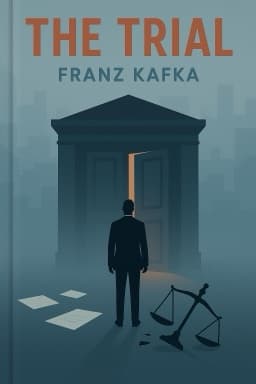
From Manuscript to Masterpiece: The Unfinished Journey of Kafka’s The Trial
Discover the fascinating history behind Kafka’s The Trial, its posthumous publication, and how an unfinished manuscript became a timeless classic.

Franz Kafka’s The Trial stands as one of the most influential works of modern literature, yet its journey from manuscript to masterpiece is as complex and mysterious as the novel itself. Kafka never completed the novel, and on his deathbed, he instructed his close friend Max Brod to destroy all his unpublished writings.
The novel’s unfinished state presents unique challenges and opportunities. Editors and translators have grappled with Kafka’s fragmented drafts, unclear narrative arcs, and sometimes contradictory notes. These editorial decisions influence how readers interpret the text and its themes. The incomplete nature of the novel amplifies its sense of ambiguity and disorientation, mirroring Josef K.’s own confusion.
Max Brod’s role was pivotal. His decision to publish the works ensured Kafka’s legacy but also sparked debates about authorial intent and textual authenticity. Over the decades, scholars have produced critical editions that attempt to reconstruct Kafka’s vision, each offering different perspectives on the novel’s meaning and structure.
The novel’s publication history also highlights the importance of literary preservation and the complex relationship between authors, editors, and readers. Kafka’s wishes contrasted with the cultural value his work would come to hold, raising questions about the stewardship of creative legacies.
Today, The Trial continues to inspire new generations of readers and scholars. Its unfinished form invites interpretation and engagement, making it a living document that evolves with each reading. The novel’s history enriches our appreciation of Kafka’s genius and the fragile nature of artistic creation.
In exploring the story behind the story, we gain insight into the forces that shape literature and the enduring power of a voice that refuses to be silenced.
Want to explore more insights from this book?
Read the full book summary