
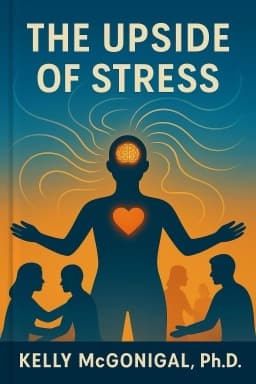
Unlocking the Hidden Benefits of Stress: How Changing Your Mindset Can Save Your Life
From fear to fuel: The science-backed ways to harness stress for better health and happiness.

For decades, stress has been vilified as a silent killer, linked to heart disease, depression, and premature death. But recent studies challenge this narrative, showing that
One large-scale study found that individuals experiencing high stress who believed stress was harmful had a 43% greater risk of dying prematurely. Conversely, those who saw stress as a normal and even beneficial part of life had the lowest mortality risk, regardless of stress levels.
This insight opens the door to a revolutionary approach: changing your mindset about stress to improve health outcomes. The body’s stress response involves multiple hormones—cortisol mobilizes energy, adrenaline sharpens alertness, DHEA supports recovery, and oxytocin encourages social bonding and reduces fear.
Understanding these hormones reveals that stress is a complex, adaptive system designed to help us meet challenges and connect with others. The tend-and-befriend response, for example, shows how stress motivates caregiving and community support, which in turn buffer against negative health effects.
Practical tools like values reflection help people reframe stressful events as meaningful, enhancing coping and reducing doctor visits. Brief mindset interventions have been proven to improve academic performance and reduce depression by fostering a sense of belonging and control.
Reappraising anxiety as excitement is another simple yet effective strategy that shifts physiological responses from threat to challenge, boosting performance and reducing burnout.
Social connection during stress activates reward pathways in the brain, making helping others a powerful antidote to isolation and distress.
Finally, adversity can be a source of growth. Many who face trauma report increased resilience, new perspectives, and a deeper appreciation for life, a process known as post-traumatic growth.
By embracing these insights and strategies, you can transform stress from a health risk into a catalyst for thriving.
Want to explore more insights from this book?
Read the full book summary