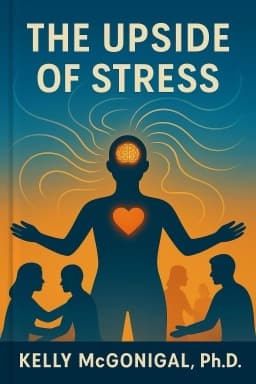
Kelly McGonigal, Ph.D.
A transformative guide revealing how embracing and rethinking stress can enhance health, performance, and personal growth.
Believing stress is harmful can increase the risk of premature death by 43%.
2 more facts available in the app
Section 1
8 Sections
Imagine for a moment that stress isn't the enemy but a misunderstood ally. This idea might sound strange at first because we've all been taught that stress is bad for us—something to avoid, reduce, or manage at all costs. But what if that belief itself was part of the problem?
In a remarkable study, thousands of adults were asked about their stress levels and whether they believed stress was harmful. Years later, those who experienced high stress but did not view it as harmful had the lowest mortality risk. This suggests that
How can belief wield such power? It turns out that our expectations influence how our bodies respond biologically. In one experiment, hotel housekeepers who were informed that their physically demanding work qualified as exercise lost weight and improved their health markers without changing their behavior—simply by changing how they thought about their work. Similarly, participants drinking the same milkshake experienced different hunger hormone responses depending on whether they believed it was indulgent or diet-friendly.
Stress mindsets are deep-seated beliefs that shape how we interpret stressful experiences. Some see stress as debilitating and harmful, while others view it as enhancing and energizing. These mindsets influence not only how stressed we feel but also how our bodies react, affecting hormone levels like cortisol and DHEA, which in turn impact our resilience and health.
Changing your mindset about stress is not about denying its challenges but about balancing your view to include its potential benefits. This shift can be cultivated through brief interventions that present stress as a natural, even helpful, part of life. People who adopt this balanced view report less anxiety, better health, and improved productivity even in high-stress environments.
As you reflect on your own relationship with stress, notice how your thoughts and language shape your experience. Instead of saying "I'm so stressed" with dread, try to see stress as a signal that something important is at stake and that your body is gearing up to meet the challenge. This awareness is the first step toward transforming stress from a foe into a powerful resource.
With this new perspective in mind, let's delve deeper into how our bodies actually respond to stress and why the fight-or-flight story is just part of the picture.
What factor influences whether stress harms or benefits health?
15 more quizzes available in app
Your core beliefs about stress influence your body's reaction and your health outcomes.
8 more insights available in app
Unlock all 8 sections, 9 insights, full audio, and interactive mind map in the SnapBooks app.
Discover how rethinking stress can transform your health, happiness, and success.
Read articleFrom fear to fuel: The science-backed ways to harness stress for better health and happiness.
Read article