
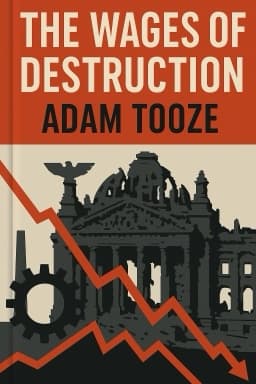
How Nazi Germany’s Economic Myths Fueled a Catastrophic War: The Shocking Truth Behind the Blitzkrieg Boom
Unveiling the Real Economic Forces Behind Hitler’s Rise and the Nazi War Machine

Unveiling the Real Economic Forces Behind Hitler’s Rise and the Nazi War Machine
The story of Nazi Germany is often told through the lens of political extremism and military conquest, but beneath the surface lies a complex economic narrative that challenges popular perceptions. Contrary to the image of an unstoppable economic powerhouse, Germany in the 1930s was a nation marked by fragility and dependence. Its per capita income was comparable to countries like Iran and South Africa, rather than an industrial titan dominating Europe. This economic reality laid the groundwork for political instability and the eventual rise of extremist ideologies.
The Weimar Republic struggled to stabilize the economy through the Dawes Plan and Stresemann’s diplomatic efforts, which relied heavily on American loans to restructure reparations. This fragile financial web unraveled with the Great Depression, plunging Germany into unemployment and social unrest. Extremist parties, including the Nazis, exploited this despair by promising economic revival and national greatness.
Once in power, the Nazi regime prioritized rearmament over civilian economic recovery. Work creation programs were largely political tools designed to pacify unrest and project progress but were overshadowed by the massive military buildup. Iconic projects like the autobahn served more as propaganda and military logistics than genuine employment solutions.
At the heart of this economic transformation was the use of innovative financial instruments such as Mefo bills—off-budget promissory notes that disguised the true scale of military spending and delayed inflationary pressures. This allowed Germany to rapidly expand its war machine, producing tanks, aircraft, and weapons at an unprecedented pace.
The famed Blitzkrieg tactics that stunned Europe were initially opportunistic rather than carefully planned, relying on mechanized forces and air support to achieve rapid victories. This combination of economic innovation and tactical improvisation reshaped warfare but masked underlying economic strains that would later contribute to the regime’s collapse.
Understanding these economic underpinnings is essential to grasping the full scope of Nazi Germany’s history. The fragile economic foundations, the prioritization of military ambitions, and the deceptive financial practices reveal a regime fighting against economic realities even as it projected invincibility. These insights not only illuminate the past but offer cautionary lessons about the dangers of economic instability and political extremism.
For further detailed analysis and primary sources, readers may consult extensive studies on Nazi economic policies and the war economy, including comprehensive archives and scholarly works.
References: 1 , 2 , 3
Want to explore more insights from this book?
Read the full book summary