
Cooking in the 21st Century: From Convenience to Culinary Revival
How modern life reshaped cooking habits and why a culinary renaissance is underway

Cooking has always been central to human culture, yet its role has shifted dramatically in recent decades. The post-war era saw a decline in home cooking as convenience foods and fast food chains proliferated, driven by changing lifestyles and economic pressures.
However, a culinary renaissance is underway. Meal kits, a billion-dollar industry, deliver pre-measured ingredients and recipes to consumers, blending convenience with the joy of cooking. This trend reflects a broader cultural shift where cooking is increasingly seen as a source of pleasure, creativity, and social connection.
Traditional cooking methods like pickling, fermenting, and baking are also enjoying renewed interest, enriching food experiences and promoting healthier eating.
Despite these changes, cooking remains a gendered activity. Women perform the majority of unpaid cooking labor worldwide, highlighting ongoing social inequities and the need for shared responsibilities.
Understanding these dynamics helps us appreciate cooking not just as a chore but as a vital cultural practice that fosters health, creativity, and community.
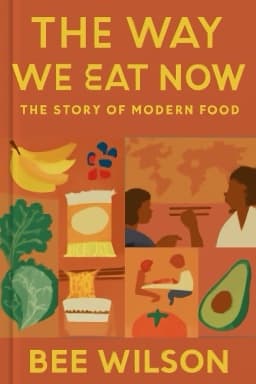
References: Cultural and social insights are drawn from the book and current research on cooking trends and gender roles 2 , 3 .
Want to explore more insights from this book?
Read the full book summary