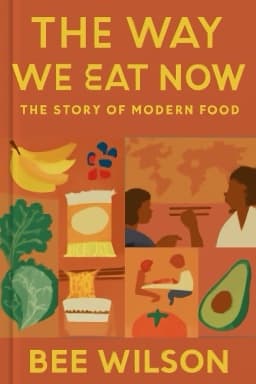
Bee Wilson
An insightful analysis of the global evolution of diets, highlighting the challenges and opportunities to create healthier, more sustainable food systems.
The Haber-Bosch process, invented in the 1910s, is responsible for feeding about 40% of the world’s population by enabling cheap nitrogen fertilizer production.
Section 1
9 Sections
Imagine a world once haunted by hunger, where survival was uncertain and famine a constant threat. Today, we live in an era of unprecedented food abundance.
Yet this abundance comes with a paradox. While hunger has declined dramatically, diet-related chronic diseases such as obesity, diabetes, and heart disease have surged.
The emergence of the Global Standard Diet—dominated by animal products, wheat, rice, sugar, maize, and soybeans—has led to a narrowing of what we eat. This homogenization erodes the rich biodiversity of traditional diets, impacting health and culture. For example, while there are thousands of apple varieties in Britain, commercial production focuses on just a handful, reducing the diversity of phytochemicals we consume.
As we reflect on this transformation, it becomes clear that the story of modern eating is not simply one of progress but one of complex trade-offs. The next chapter will explore how our biology and culture struggle to adapt to this new world of plenty, creating mismatches that affect health and well-being.
What major agricultural invention helped feed 40% of the global population?
17 more quizzes available in app
Modern food systems have ended widespread hunger but have also introduced new health challenges.
8 more insights available in app
Unlock all 9 sections, 9 insights, full audio, and interactive mind map in the SnapBooks app.
Discover the surprising ways our modern food abundance is harming health and what you can do about it
Read articleUncover the evolutionary reasons behind modern diet-related diseases and how to reclaim health
Read article