
The Hidden Truth About Modern Food: Why Abundance Is Making Us Sick
Discover the surprising ways our modern food abundance is harming health and what you can do about it

Imagine walking into a supermarket where shelves are laden with colorful fruits, vegetables from every continent, packaged snacks, and sugary beverages. This scene, common in many urban centers worldwide, represents a dramatic shift from a past marked by scarcity and famine. The advent of the Haber-Bosch process in the early 20th century revolutionized agriculture by enabling mass production of synthetic nitrogen fertilizers. This innovation alone feeds nearly 40% of the global population, a staggering achievement that has helped end widespread hunger.
However, this abundance comes with unintended consequences. The global diet has narrowed to a few staple crops like wheat, rice, maize, and soybeans, and the dominance of monocultures like the Cavendish banana threatens biodiversity. Ultra-processed foods, rich in refined sugars and oils—soybean oil consumption alone has increased a thousandfold in the US since 1900—have become dietary staples, contributing to rising rates of obesity and non-communicable diseases.
From a biological perspective, our bodies evolved to survive scarcity, not abundance. The 'thin-fat' phenotype seen in some populations exemplifies this mismatch, where prenatal undernutrition programs metabolism for scarcity, but postnatal exposure to calorie-rich diets increases disease risk. Moreover, liquid calories, such as sugary drinks, fail to trigger satiety effectively, leading to overconsumption.
Socially, weight stigma exacerbates health problems by increasing stress and reducing access to care, creating a vicious cycle. Addressing these issues requires systemic approaches, including government policies like Chile’s front-of-pack warning labels and Mexico’s sugar tax, which have successfully reduced unhealthy food consumption.
Urban design also plays a critical role. Cities like Amsterdam have implemented integrated programs combining urban planning, education, and community engagement to reduce childhood obesity. Creating food-accessible environments with farmers markets, community gardens, and safe bike lanes fosters healthier lifestyles.
On a personal level, mindful eating and sensory education empower individuals to reconnect with food, improving satisfaction and reducing overeating. Engaging all senses during meals fosters healthier relationships with food.
Looking ahead, preserving food biodiversity and embracing sustainable agriculture are critical for global nutrition and ecosystem health. Only through collective action—policy, education, community, and individual empowerment—can we create a nourishing, sustainable food future.
Understanding the paradox of plenty and its multifaceted impact on health and society is essential for making informed food choices and advocating for systemic change.
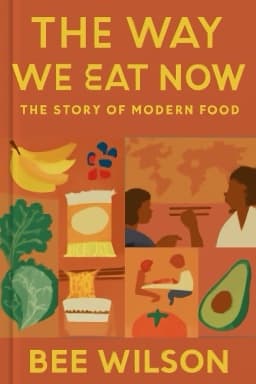
References: Comprehensive insights are drawn from contemporary research and public health initiatives detailed in the book and supported by global studies on food systems and nutrition 1 , 2 , 3 , 4 .
Want to explore more insights from this book?
Read the full book summary