
Why Your Body Hates Modern Food: The Evolutionary Mismatch Explained
Uncover the evolutionary reasons behind modern diet-related diseases and how to reclaim health

Human biology is the product of evolutionary pressures that shaped our ancestors over millennia. For most of human history, food was scarce and unpredictable. Our bodies adapted to survive periods of famine, storing energy efficiently and favoring calorie-dense foods when available. Fast forward to today, and the environment has flipped: food is abundant, often highly processed, and calorie-rich.
One striking example of this mismatch is the 'thin-fat' baby seen in South Asia and other regions. These babies appear thin but carry higher body fat percentages, a result of prenatal adaptation to maternal undernutrition. When exposed to calorie-rich environments later in life, they face elevated risks of diabetes and cardiovascular diseases.
Scientific advances in epigenetics reveal how maternal diet influences gene expression in offspring without changing DNA sequences. Nutritional signals during pregnancy can program metabolism and disease susceptibility, highlighting how rapidly biology can respond to environmental changes beyond genetics.
Modern dietary habits further complicate this picture. Liquid calories, especially from sugary beverages, do not trigger the same satiety signals as solid foods, leading to increased total calorie intake. This biological quirk has been exploited by food industries, fueling global obesity epidemics.
Socially, weight stigma adds insult to injury. Negative attitudes toward body size cause psychological stress, reduce access to healthcare, and paradoxically contribute to further weight gain. Breaking this vicious cycle requires empathy, education, and policy interventions.
Mindful eating practices that engage all senses can help individuals regulate appetite and cultivate a healthier relationship with food. Slowing down to savor taste, texture, and aroma enhances satisfaction and reduces emotional eating.
Understanding the evolutionary roots of our dietary challenges empowers us to make informed choices and advocate for environments that support health. By aligning biology, culture, and policy, we can address the mismatch and promote well-being in the modern world.
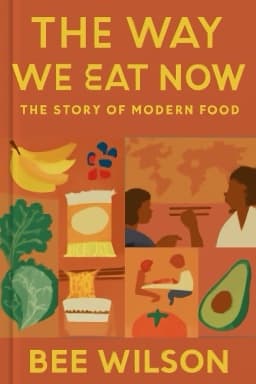
References: This exploration integrates findings from evolutionary biology, epigenetics, and public health research as presented in the book and supported by scientific literature 1 , 3 , 4 .
Want to explore more insights from this book?
Read the full book summary