
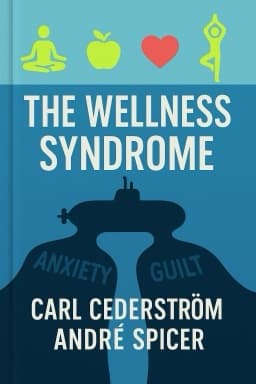
Are You a Prisoner of the Wellness Syndrome? The Hidden Costs of Self-Optimization
Unmasking the emotional and social price we pay for the relentless pursuit of wellness.

From morning runs to calorie counting, mindfulness apps to corporate yoga sessions, wellness has become a dominant force shaping modern life. But beneath the surface of this seemingly positive trend lies a darker reality — the wellness syndrome. This term captures how the pursuit of health and happiness has become a form of social control, demanding constant self-optimization and moral discipline.
In many workplaces, wellness programs are not just perks but expectations. Employees are encouraged to track their steps, attend fitness classes, and manage stress through meditation, all under the watchful eye of management.
Diet culture compounds this pressure. Dieting is framed as a moral project, requiring willpower, confession, and self-surveillance. Yet many dieters experience increased guilt and anxiety, caught in endless cycles of failure and renewed attempts. Corporations exploit this dynamic, using food strategically to keep workers near their desks and maximize productivity.
Wellness ideology also fuels class-based disgust and moral judgment. Media stereotypes of the working class as lazy or vulgar are intertwined with body aesthetics and lifestyle choices, obscuring structural inequality. Disgust acts as a visceral moral reaction that enforces social exclusion.
Happiness, too, is weaponized. Governments and corporations use happiness metrics to shape policies and workplace culture, but the pressure to be happy can create guilt and emotional distress. The cultural command to enjoy life becomes a source of anxiety rather than relief.
Life under neoliberalism is precarious and uncertain. The ‘chosen life’ demands constant self-management, with wearable devices and gamification extending surveillance into personal realms. This blurs the line between freedom and control, making self-optimization both a necessity and a burden.
However, resistance exists. Illness can offer a break from wellness demands; fat acceptance and radical communities challenge dominant norms, revealing the limits of wellness ideology.
Ultimately, embracing imperfection, vulnerability, and collective care offers a path beyond the wellness syndrome. It calls for political engagement to address systemic issues rather than blaming individuals.
This blog invites you to reflect on your own relationship with wellness and consider how to reclaim authenticity and joy in a culture obsessed with optimization. 1 2 3 4
Want to explore more insights from this book?
Read the full book summary