
Is Wellness Making You Sick? The Hidden Truth Behind the Health Craze
Uncover the paradox where the quest for health and happiness may be fueling anxiety and emotional distress.

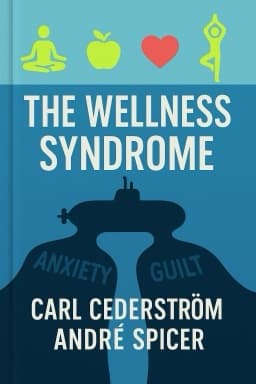
Wellness promises a better life — more energy, happiness, and longevity. But for many, the pursuit of wellness becomes a source of stress, anxiety, and emotional exhaustion. Carl Cederström and André Spicer’s 'The Wellness Syndrome' exposes this paradox, showing how wellness culture’s moral demands can make us feel worse rather than better.
Positive psychology has popularized the idea that happiness and wellbeing are attainable goals through mindset shifts and self-care routines. Governments and corporations have adopted happiness metrics to guide policies and workplace culture.
The pressure to regulate emotions, maintain fitness, and eat healthily becomes a form of self-surveillance that can lead to burnout. Diet culture’s cycles of guilt and failure further exacerbate emotional distress. Corporate wellness programs, while well-intentioned, often extend managerial control into personal lives, blurring boundaries and increasing pressure.
Resistance to these pressures includes embracing imperfection, vulnerability, and alternative forms of joy that are unpredictable and transformative. Collective care and political engagement offer routes beyond individual blame and self-optimization.
This blog invites readers to question the wellness narrative and consider more holistic, authentic approaches to mental and physical health that honor complexity rather than perfection.
By understanding the wellness syndrome’s hidden costs, we can begin to reclaim wellbeing on our own terms. 1 2 3 4
Want to explore more insights from this book?
Read the full book summary