
Opium, Caffeine, and Mescaline: The Plants That Changed the World (and Still Shape Your Brain)
How Three Plants Molded Civilizations, Inspired Revolutions, and Created Modern Life

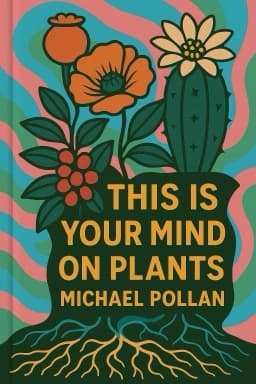
Every day, billions of people rely on a cup of coffee to jumpstart their brains. But behind this simple ritual lies a centuries-old story of power, politics, and paradox. Michael Pollan’s 'This Is Your Mind on Plants' takes us on a tour through the intertwined histories of three mind-altering plants: opium, caffeine, and mescaline.
Opium—the milky sap of the poppy—was once a household remedy, used in everything from cough syrup to pain relief. Victorian families kept laudanum on hand for headaches and heartbreak. Yet the same plant is now a symbol of crime, addiction, and loss. Pollan’s personal story about growing poppies in his garden reveals the strange, often arbitrary nature of drug laws: growing these beautiful flowers is a felony in the US, even as pharmaceutical companies legally marketed opioids that fueled a national crisis.
Caffeine, by contrast, is celebrated. Coffeehouses replaced taverns as centers of thought and debate, fueling the Age of Reason. Pollan’s experiment with quitting caffeine reveals just how dependent we are on this 'socially acceptable' drug—withdrawal brings headaches, fatigue, and mental fog. Our workdays, our creativity, and our very sense of self are shaped by this humble plant.
Mescaline, found in peyote and San Pedro cacti, is central to Indigenous rituals and spiritual healing. Unlike opium or caffeine, mescaline is not addictive and is used in sacred ceremonies to foster connection, healing, and insight. Despite its long history of safe use, it remains illegal for most, protected only for Indigenous religious practice.
These plants have shaped empires, inspired revolutions, and continue to influence our lives in ways both obvious and hidden. The paradoxes of legality, the shifting sands of taboo, and the deep human need for altered states all come together in Pollan’s remarkable book.
References: Michael Pollan’s 'This Is Your Mind on Plants', Tim Ferriss Podcast, Chris Gregory Books
2
3
Want to explore more insights from this book?
Read the full book summary