
The Hidden Power of Caffeine: How One Molecule Built the Modern World
From Coffeehouses to Corporate Towers: The Surprising Influence of Caffeine on History and Your Brain

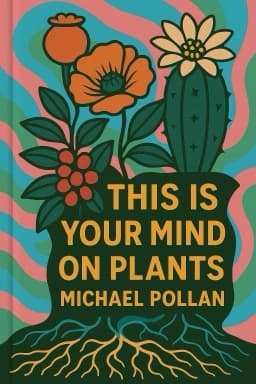
Caffeine is so familiar that we rarely question its power. But as Michael Pollan reveals in 'This Is Your Mind on Plants,' this tiny molecule has shaped the course of history as much as any king or invention. Before coffee and tea, most people in Europe drank alcohol all day—beer at breakfast, wine at lunch. The arrival of caffeine changed everything: coffeehouses became centers of debate, commerce, and creativity. The Enlightenment, with its emphasis on rational thought, was fueled by clear-headed discussions over steaming cups.
Pollan’s own experiment—quitting caffeine—shows just how dependent we are. Within days, he experienced headaches, lethargy, and a stunning loss of focus. The world seemed dull, his thoughts slow. Only then did he realize how deeply caffeine had shaped his sense of self.
But caffeine’s story is not just about productivity. It’s about rituals, social bonds, and the delicate balance between stimulation and addiction. Pollan explores how caffeine’s normalization hides its true nature as a psychoactive drug. Our dependence is masked by legality and social acceptance, yet withdrawal can be severe and quitting can feel like losing a part of oneself.
Today, caffeine is everywhere—from energy drinks to chocolate bars. It is the engine of capitalism, the fuel of late-night study sessions, and the comfort of weary parents. Yet its power is double-edged: too much can bring anxiety, insomnia, and dependence.
Understanding caffeine’s hidden influence helps us see not just our own habits, but the broader currents of history and culture. Next time you reach for your cup, remember: you’re sipping on a revolution.
References: Michael Pollan’s 'This Is Your Mind on Plants', Simon Mustoe Blog
1
Want to explore more insights from this book?
Read the full book summary