
Why Do Humans Love Mind-Altering Plants? The Ancient Secret Behind Your Morning Coffee
From Ancient Rituals to Your Coffee Cup: The Evolutionary Dance Between Plants and People

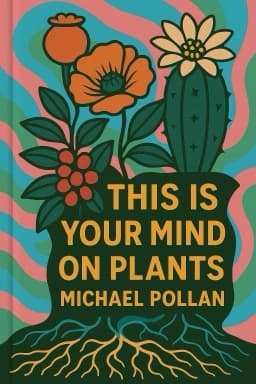
Imagine waking up in a world without coffee, tea, or even chocolate. For most of human history, the urge to alter consciousness has been a universal constant—woven into rituals, religions, and daily routines. Michael Pollan’s 'This Is Your Mind on Plants' invites us to examine why, and how, humans have always sought out plant-based ways to shift their perception.
Plants like opium, caffeine, and mescaline didn’t evolve their mind-bending chemicals for our pleasure. These molecules—alkaloids—are defensive tools, evolved to ward off insects and grazing animals. Yet, through centuries of experimentation, humans discovered that these same substances could ease pain, spark creativity, or bring on visions. In every culture, we find unique plant drugs: Pacific Islanders drink kava; Native Americans use peyote; Europeans have coffee and tea. These choices reveal as much about social values as about pharmacology.
Why do we seek altered states? Some scientists believe it’s about curiosity and creativity, while others point to the need for relief from pain or monotony. Pollan’s research and personal experiments—like growing poppies or quitting caffeine—show how deeply these plants shape our minds, habits, and even our laws. The lines between food, drug, and poison are blurry: chicken soup can be medicine, while poppy seeds can be both food and a felony.
Our relationship with psychoactive plants is a story of co-evolution. We help these plants spread, and in return, they offer us new ways to think, feel, and connect. This evolutionary dance has shaped civilizations—coffeehouses fueled the Enlightenment, while opium changed medicine and politics. Ultimately, our fascination with these plants is a mirror of our deepest hopes, fears, and desires.
So next time you sip your morning coffee, remember: you’re participating in an ancient, ongoing story—one that links you to shamans, healers, rebels, and dreamers across time. The plants that change our minds have always been with us, shaping who we are and what we might become.
References: Michael Pollan’s 'This Is Your Mind on Plants', Simon Mustoe Blog, Chris Gregory Books
1
3
Want to explore more insights from this book?
Read the full book summary