
How Flipping a River Changed the World: The Untold Story of the Chicago River Reversal
Unveiling the monumental engineering feat that reversed a river and reshaped ecosystems forever.

Imagine a river flowing peacefully into one of the largest freshwater lakes in the world—Lake Michigan. Now imagine that river being forcibly reversed, its waters redirected away from the lake to protect a city's drinking water supply. This is the story of the Chicago River reversal, one of the most ambitious engineering feats of the early 20th century.
The reversal involved excavating 43 million cubic yards of earth, enough to build a massive island, and constructing a canal system to send sewage-laden waters away from Lake Michigan. While this protected Chicago’s water, it connected two previously separate drainage basins, creating a corridor for invasive species like Asian carp to spread, threatening native ecosystems downstream.
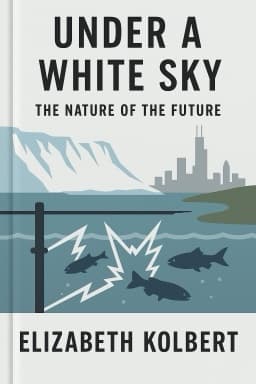
Electric fish barriers were later installed to try to contain these invaders, demonstrating the ongoing human effort to manage the consequences of earlier interventions. This story exemplifies the paradox of environmental engineering: solutions that solve one problem often create new challenges.
Beyond the technical details, the reversal highlights the scale of human impact on natural systems and the complex interplay between urban development, public health, and ecology. It reminds us that engineering nature is a double-edged sword requiring vigilance, innovation, and humility.
As we move forward, understanding this history is crucial for informed decisions about future water management and ecosystem conservation efforts.
For more on the Chicago River reversal and its legacy, see environmental history sources and engineering archives. This story is a powerful example of how human ambition reshapes the planet, sometimes with unforeseen consequences.
Next, we explore the vanishing wetlands of Louisiana, where river control has led to dramatic land loss and urgent restoration efforts.
Want to explore more insights from this book?
Read the full book summary