
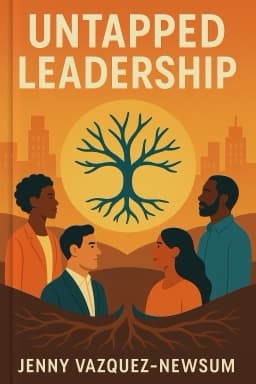
Why Toxic Leadership Thrives and How Inclusive Cultures Can Stop It
Exploring the persistence of toxic leaders and practical ways to build healthier leadership environments.

Toxic leadership is a persistent problem in many organizations, often tolerated because toxic leaders deliver results. But at what cost? When power is centralized in hierarchical structures and leadership is viewed as a scarce resource, organizations inadvertently create conditions where harmful behaviors can flourish unchecked.
These scarcity models foster competition rather than collaboration, limiting leadership to a select few and excluding diverse perspectives. Toxic leaders exploit these dynamics, using authority and unchecked power to maintain control, often undermining trust, morale, and psychological safety.
Changing this requires a fundamental shift: diffusing power and building cultures where leadership is shared and inclusive. Leaders must move from command-and-control to describing work and outcomes while empowering teams to determine how to achieve goals. Transparency, multidirectional feedback, and shared accountability become the norm.
Crucially, organizations must actively invite, recognize, and compensate marginalized expertise. Too often, leaders from underrepresented groups provide critical insights informally and without recognition. Equitable compensation and inclusion in decision-making validate these contributions and foster belonging.
Inclusive leadership cultures reduce the tolerance for toxicity by promoting psychological safety and authentic communication. Vulnerability and authenticity modeled by leaders build trust and resilience, enabling organizations to innovate and adapt.
Imagine a workplace where leadership is a shared responsibility, power is transparent, and diverse voices shape the future. This vision is achievable and necessary for sustainable success.
Leaders and organizations ready to transform toxic cultures must embrace inclusive leadership principles—diffusing power, valuing diverse expertise, and fostering environments where everyone can lead authentically.
For further insights, explore articles from Forbes on inclusive leadership strategies and Harvard Business School's guide to building stronger teams through inclusion. 2 3
Want to explore more insights from this book?
Read the full book summary