
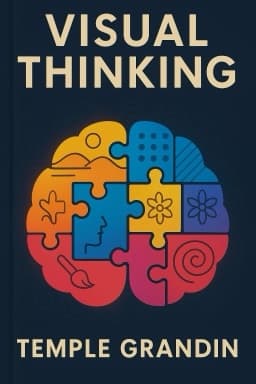
Revolutionizing Education: How Visual Thinking Can Save Our Future Workforce
Harnessing visual thinking and technology to prepare neurodiverse students for tomorrow’s jobs.

The future of work demands creativity, adaptability, and diverse cognitive skills. Visual thinking, once sidelined by traditional education, is now recognized as a critical asset for preparing students—especially neurodiverse learners—for tomorrow’s challenges.
Hands-on classes like woodworking and sewing, once common, are disappearing, but technology offers new avenues. Virtual reality (VR) and augmented reality (AR) enable immersive, experiential learning that aligns with visual and spatial thinking strengths. These tools help students explore complex concepts through simulation and interaction, making learning engaging and effective.
Apprenticeship programs combining classroom instruction with paid work experience provide a proven pathway to workforce readiness. Countries leading in this approach show lower youth unemployment and stronger industry ties. Integrating technology with apprenticeships enhances training quality and accessibility.
Government initiatives and educational reforms are beginning to embrace this vision, promoting inclusive environments that support neurodiverse learners. Flexible curricula, alternative assessment methods, and personalized learning plans ensure every student’s strengths are recognized and cultivated.
By revolutionizing education to harness visual thinking and technology, we can build a resilient, innovative workforce ready to meet the demands of a rapidly evolving economy.
Sources: Route Fifty on VR education, Temple Grandin’s 'Visual Thinking', Deloitte Insights on workforce inclusion, Rethink Care features 3 1 4 2
Want to explore more insights from this book?
Read the full book summary