
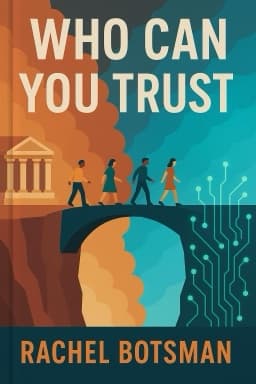
How Technology is Rebuilding Trust: From Ratings to Blockchain and AI
Explore how digital tools are reshaping trust dynamics and creating new opportunities for connection and accountability.

As trust in traditional institutions wanes, technology emerges as a powerful architect of new trust frameworks. At the heart of this transformation is the trust stack—a layered process where people first accept new ideas, then trust the platforms delivering them, and finally place confidence in the individuals involved.
Reputation systems have revolutionized trust among strangers. Platforms like Airbnb and Uber rely on ratings and reviews to provide social proof, enabling millions to share homes and rides with confidence. Surprisingly, even darknet markets use reputation scores to build trust in anonymous environments, illustrating the universal power of social proof.
However, these systems are not without challenges. They can entrench biases, create permanent digital reputations, and raise privacy concerns. Ensuring fairness and transparency is critical as reputation becomes a form of digital currency.
Artificial intelligence further complicates trust. People increasingly depend on AI for decisions from healthcare to personal advice. Yet, ethical frameworks lag behind development, risking bias and misuse. Trustworthy AI requires transparency, accountability, and human oversight to balance automation with ethical imperatives.
Blockchain technology offers a radical shift—a decentralized, transparent ledger that promises to redefine trust. Its immutability and consensus mechanisms reduce reliance on intermediaries. Yet, events like the DAO hack reveal tensions between code-based rules and human judgment, highlighting the need for governance models that blend technology with ethics.
Technology is not a panacea but a powerful tool that, when thoughtfully designed, can democratize trust and foster new forms of collaboration and accountability.
Want to explore more insights from this book?
Read the full book summary