
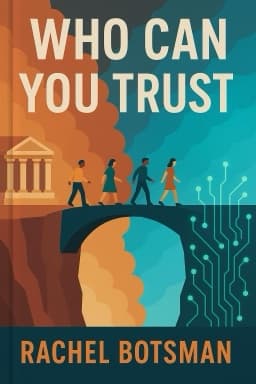
Trust in the Age of AI and Blockchain: Navigating the Future with Confidence
An in-depth exploration of the ethical and practical challenges of trusting intelligent machines and decentralized systems.

Artificial intelligence and blockchain are transforming the foundations of trust in unprecedented ways. AI systems act as advisors, assistants, and decision-makers, influencing healthcare, finance, and personal lives. Blockchain offers a decentralized ledger promising transparency and immutability, potentially eliminating the need for traditional intermediaries.
However, these technologies bring ethical and practical challenges. AI can perpetuate biases embedded in data and lacks full transparency, raising questions about accountability. The rapid pace of AI development outstrips regulatory frameworks, creating risks of misuse.
Blockchain’s promise of immutable records was tested during the DAO hack, where a vulnerability led to significant theft. The community’s decision to hard fork to reverse transactions sparked debate about whether code should be absolute or subject to human judgment.
Trusting machines requires new governance models that blend technology with human values. Transparency, ethical design, and inclusive oversight are essential to ensure these systems serve society’s best interests.
Understanding these complexities empowers individuals and organizations to engage responsibly with emerging technologies, fostering a future where trust is both technologically enabled and ethically grounded.
Want to explore more insights from this book?
Read the full book summary