
The Hidden Truth About Abusive Men: Myths, Facts, and What You Must Know
Separating Fact from Fiction to Understand and Combat Abuse

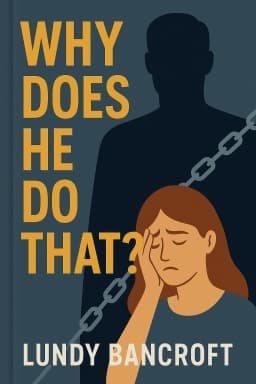
When it comes to understanding abusive men, misinformation abounds. Lundy Bancroft’s Why Does He Do That? cuts through the noise, exposing the myths that cloud public perception and impede justice and healing.
One of the most damaging myths is that abusive men are mentally ill. Bancroft’s extensive work with abusive men reveals that most are psychologically normal, capable of functioning well in society, yet choose to abuse their partners. This myth allows abusers to evade responsibility by blaming their actions on illness rather than choice.
Another common misconception is that abuse stems directly from childhood trauma. While some abusers have histories of being abused, many do not, and many abused children grow into healthy, non-abusive adults. The connection between childhood abuse and becoming an abuser is neither direct nor inevitable.
The idea that abusers lose control due to anger is similarly false. Abusive men are often very controlled and deliberate in their actions, using anger as a tool to intimidate and punish rather than an uncontrollable outburst. Their behavior is governed by entitlement and a desire to dominate.
Understanding these truths is crucial. Myths shift blame away from abusers and onto external factors, which can lead to ineffective interventions and continued harm. Victims may internalize these myths, blaming themselves or hoping the abuser’s feelings will change, rather than recognizing the need for accountability.
Specialized intervention programs that focus on confronting entitlement and promoting accountability are more effective than traditional therapy, which often centers on emotions without addressing abusive attitudes.
By debunking these myths, society can better support survivors, hold abusers accountable, and create pathways to genuine change.
This blog post provides a detailed look at these myths and the realities behind abusive behavior, empowering readers with knowledge to protect themselves and others.
Sources: Want to explore more insights from this book?