
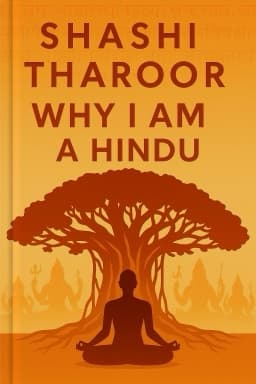
Hindutva and Hinduism: Navigating Faith, Identity, and Politics in Modern India
A critical look at the rise of Hindutva, its distinction from Hinduism, and the ongoing debates over religion and nationalism.

In recent decades, the political ideology of Hindutva has risen to prominence in India, shaping debates about national identity and religion.
Originating in the 1920s as a response to colonialism and minority politics, Hindutva aimed to unify Hindus politically. However, its emphasis on exclusivity and cultural homogenization has sparked controversy and social polarization.
This ideological shift contrasts sharply with Hinduism’s inclusive spiritual ethos, which celebrates multiple paths and respects other faiths. The tension between these views has led to debates over secularism, minority rights, and the nature of Indian democracy.
Many Hindus reject the politicization of their faith and advocate for a pluralistic, tolerant India.
The challenge remains to navigate these complex dynamics without sacrificing the rich cultural and spiritual heritage Hinduism offers. Understanding the distinction between Hindutva and Hinduism is crucial for fostering dialogue and peace.
As India continues to evolve, the conversation around faith and identity will shape its future. Embracing Hinduism’s pluralistic roots can help build bridges across communities and uphold the values of democracy and diversity.
Explore this critical intersection of religion and politics to better understand the challenges and hopes of modern India.
Want to explore more insights from this book?
Read the full book summary