
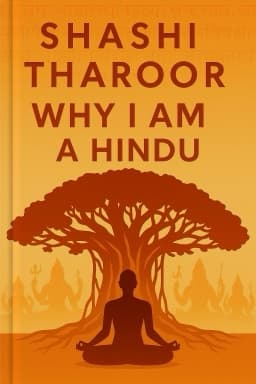
The Four Pillars of Hindu Life: How Dharma, Karma, and Moksha Shape Your Destiny
Understand the profound framework of Hinduism’s four aims of life and how they guide ethical living and spiritual growth.

Life, according to Hindu philosophy, is a grand journey with multiple aims, each vital to our well-being and ultimate fulfillment. These are the Purusharthas: dharma, artha, kama, and moksha.
Dharma, often translated as righteous duty, is the foundation. It encompasses law, ethics, and social responsibility, guiding individuals to act in harmony with cosmic order and societal well-being. Artha acknowledges the importance of material prosperity and security, recognizing that spiritual growth flourishes best when basic needs are met. Kama celebrates life’s pleasures—love, art, and creativity—affirming that joy is a sacred part of existence. Moksha, the ultimate aim, is liberation from the cycle of birth and death, the realization of oneness with the universal spirit.
These aims are not isolated but interconnected. For example, pursuing artha without dharma can lead to greed, while chasing kama without balance may cause suffering. The wise life integrates all four, progressing through stages that include student life, family duties, retirement, and renunciation.
Consider the story of a merchant who balances his business ambitions with ethical conduct, ensuring his prosperity benefits not only himself but the community. Or the artist who channels kama into creative expression that uplifts others. Such examples illustrate how Hindu teachings translate into daily life.
Ultimately, moksha offers hope beyond the material realm—a liberation where the soul transcends suffering and merges with the infinite. This goal inspires spiritual practices such as meditation, self-inquiry, and devotion, supporting individuals on their path to freedom.
In a modern world often focused on material success, Hinduism’s Purusharthas remind us of the importance of balance and meaning. They invite us to live ethically, enjoy life’s beauty, and seek the deeper truth that lies within.
By embracing these four pillars, anyone can cultivate a life of purpose, harmony, and spiritual fulfillment.
Continue exploring how these ancient teachings can enrich your life and guide your journey.
Want to explore more insights from this book?
Read the full book summary