
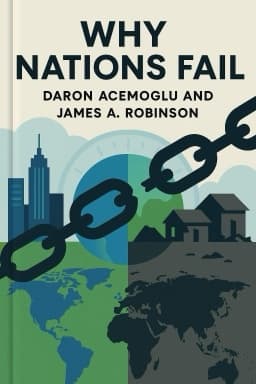
The Invisible Chains: How Extractive Institutions Keep Countries Poor
Unmasking the Hidden Forces That Trap Nations in Poverty and How They Can Be Broken

Unmasking the Hidden Forces That Trap Nations in Poverty and How They Can Be Broken
When we think about poverty, we often imagine a lack of resources or bad luck. But the reality is far more complex and insidious.
Historically, colonial powers established extractive institutions such as the encomienda system in Latin America, which forced indigenous peoples into labor and tribute, enriching colonizers while devastating local economies. Similarly, the mita system in Peru conscripted indigenous men to work in silver mines under brutal conditions for centuries. These systems institutionalized exploitation and laid foundations for persistent inequality.
Even post-independence, many elites retained control over land and political power, resisting reforms that threatened their privileges. This resistance manifests in blocking inclusive policies, manipulating legal systems, and suppressing opposition. Such actions stall economic development, limit access to education and markets, and perpetuate poverty.
Consider the case of Ghana’s industrial projects in the 20th century. Despite sound economic advice, projects were often chosen for political patronage rather than viability, illustrating how political incentives can override economic rationality.
However, the story is not without hope. Countries like Botswana have avoided the worst colonial legacies by building inclusive political and economic institutions that promote broad participation and sound governance. South Korea’s transition from authoritarianism to inclusive economic institutions fueled one of the fastest growth spurts in history.
Breaking free from extractive institutions requires collective action, political will, and empowerment of the majority. Media and information dissemination play crucial roles in mobilizing societies toward reform.
Want to explore more insights from this book?
Read the full book summary