
Article from Book Summary
5 Shocking Secrets You Never Knew About Wuthering Heights
Unveiling the Mysteries and Hidden Details Behind Brontë’s Masterpiece

Bookish Wanderer
August 10, 2022654 views
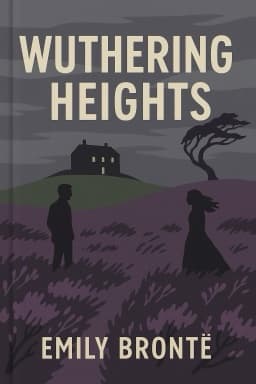
Wuthering Heights (Barnes & Noble Classics Series)Emily Brontë
Unveiling the Mysteries and Hidden Details Behind Brontë’s Masterpiece
Think you know everything about Wuthering Heights? Think again! This classic is full of hidden gems and surprising facts that even the most devoted Brontë fans might have missed. Let’s dig into five of the most fascinating secrets behind this iconic novel.
- ‘Wuthering’ is a Real Word: The title isn’t just poetic. ‘Wuthering’ is a Yorkshire term for turbulent, blustery weather—a perfect description of both the moors and the emotional storms that rage through the story. Emily Brontë’s use of local dialect grounds the novel in a real, living landscape.
- The House Is Based on a Real Place: Scholars believe that Wuthering Heights was inspired by Top Withens, a remote farmhouse near Haworth, where the Brontës grew up. The wild, isolated setting is as much a character as any of the people in the book.
- The Structure Is a Puzzle: With its dual narrators (Lockwood and Nelly Dean) and two generations of feuding families, the novel’s structure is famously complex. Some critics argue that it’s a coded meditation on time, memory, and the cycles of trauma.
- Controversial Reception: When first published, Wuthering Heights was considered shocking and even immoral. Victorian reviewers were scandalized by its violence, passion, and ambiguous morality. Today, it’s hailed as a masterpiece.
- Hidden Inspirations: Many believe Heathcliff’s mysterious origins may be a reference to the experiences of marginalized or orphaned children in 19th-century England. Others see hints of the Brontë family’s own struggles with class and belonging.
So next time you pick up Wuthering Heights, remember: every page is packed with secrets waiting to be discovered. Whether you’re a first-time reader or returning for the tenth time, there’s always something new to uncover in Emily Brontë’s masterpiece.
Want to explore more insights from this book?
Read the full book summary