
Wuthering Heights and the Gothic: Why This Novel Still Gives Us Chills
Exploring the Dark, Supernatural, and Uncanny in Emily Brontë’s Classic

Exploring the Dark, Supernatural, and Uncanny in Emily Brontë’s Classic
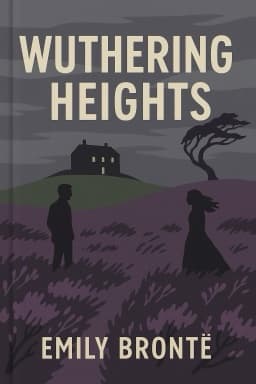
From its very first pages, Wuthering Heights plunges readers into a world of shadows and secrets. The Yorkshire moors are not just a backdrop—they are a living, breathing presence, full of danger and mystery. The house itself is a fortress against the elements, its rooms echoing with the footsteps of the past. The supernatural is never far away: ghosts knock at windows, dreams bleed into reality, and the dead refuse to rest.
Emily Brontë uses every tool in the gothic writer’s kit: locked doors, howling winds, mysterious strangers, and the constant threat of violence. The result is a novel that keeps readers on edge, never allowing them to feel truly safe. The psychological horror is as potent as the physical. Heathcliff’s torment is as much internal as external, and Catherine’s haunting is both literal and metaphorical.
What sets Wuthering Heights apart from other gothic novels is its refusal to offer easy explanations. Are the ghosts real, or are they manifestations of guilt and longing? Is the violence of the moors a reflection of the characters’ inner turmoil, or is it the other way around? The ambiguity is what makes the novel so unsettling—and so enduring.
Modern adaptations of the story, from film to graphic novels, continue to draw on its gothic roots. The image of Catherine’s ghost at the window, the sound of the wind howling through the stones, the sense of unresolved longing—these are the elements that keep readers coming back, year after year.
Wuthering Heights is not just a love story; it’s a ghost story, a horror story, and a meditation on the darkness at the heart of the human soul. That’s why, more than 175 years after its publication, it still gives us chills.
Want to explore more insights from this book?
Read the full book summary