
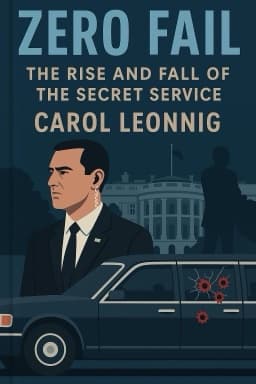
From Lincoln to Trump: The Evolution and Crisis of the Secret Service
Tracing the Journey of America’s Most Controversial Protective Agency

The United States Secret Service is an agency defined by paradoxes. Born out of financial crime-fighting efforts in 1865, it quickly found itself thrust into the role of presidential protector after the assassination of Abraham Lincoln. This reactive beginning set the tone for an agency often caught between crisis management and proactive security.
Throughout the 20th century, the Secret Service faced evolving challenges. The tragic assassinations of Presidents Garfield and McKinley underscored the need for dedicated protection, but it was not until after McKinley’s death that the agency’s protective mission was formalized. The Kennedy era introduced new complexities, with the president’s charisma and defiance of protocol stretching agent capabilities and revealing vulnerabilities that would have fatal consequences.
The agency’s journey through the Nixon era reveals the impact of political manipulation, with the president using the Secret Service for intelligence gathering on political opponents. This blurred the lines between protection and espionage, damaging morale and raising ethical questions.
Post-9/11, the Secret Service underwent significant transformation, expanding its mission to include counterterrorism and cybersecurity. Collaboration with special forces and investment in advanced technology marked a new era of readiness, though challenges remained.
Recent decades have seen the agency struggle with scandals, internal divisions, and political interference, culminating in a crisis of leadership and morale. The Trump administration period highlighted the dangers of loyalty-based promotions and the strain of expanded protective responsibilities.
Despite these challenges, the Secret Service remains a symbol of dedication and resilience. Its history offers valuable lessons on the importance of adaptability, integrity, and professionalism in safeguarding the nation’s leaders. This blog invites readers to explore the agency’s complex past and consider the reforms necessary to ensure its future effectiveness.
Sources: Carol Leonnig’s 'Zero Fail', The New York Times, Rutgers University book reviews, People.com insider reports.
Want to explore more insights from this book?
Read the full book summary