
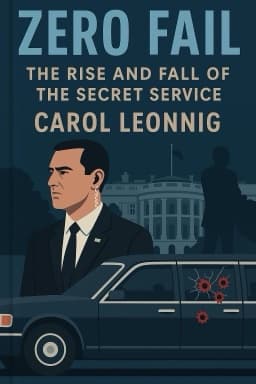
The Secret Service Exposed: How Politics and Scandal Undermine America’s Protectors
A Hard Look at the Forces Threatening the Integrity of the Nation’s Elite Protection Agency

The Secret Service, entrusted with the safety of the president and other key figures, is facing an unprecedented crisis. Political interference has increasingly dictated promotions and assignments, sidelining merit and experience. This shift has fostered internal divisions and undermined the agency’s core values.
Scandals such as the prostitution incident in Cartagena and multiple White House security breaches have rocked public confidence. These failures highlight systemic issues in training, leadership, and culture. Agents report low morale, citing poor leadership, high stress, and inadequate support as major factors contributing to dissatisfaction.
The agency’s expanded protective responsibilities, including family members and political opponents, have stretched resources and complicated operations. Combined with political loyalty influencing personnel decisions, these factors threaten the agency’s effectiveness at a critical time.
Calls for reform have grown louder, with agents and insiders advocating for transparency, accountability, and cultural overhaul. The agency’s future depends on its ability to confront these challenges and restore trust both within its ranks and with the public it serves.
This blog provides a candid analysis of the forces undermining the Secret Service and the urgent need for change to preserve the integrity of America’s protectors.
Sources: Investigative journalism from The New York Times, People.com reports, insider accounts, and academic analyses from Rutgers University.
Want to explore more insights from this book?
Read the full book summary