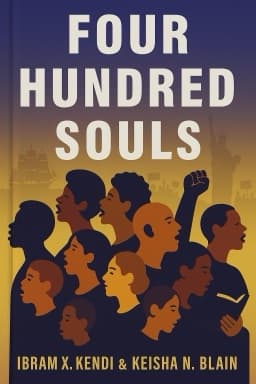
Let us begin this journey by closing our eyes and imagining the hush of dawn on the Virginia shore in August 1619. A ship called the White Lion, battered by Atlantic winds, comes to rest, and from its hold, twenty weary souls step onto unfamiliar earth. They do not know what awaits them, nor do they know that their arrival will mark the symbolic birth of a people—a community that will weather centuries of sorrow and triumph.
These first Africans, torn from their homeland, carried with them only memories and fragments of language, song, and hope. Their names, unlike those of the Mayflower’s passengers, were never written into the ledgers of history. Yet, in their footsteps, a new story began. This is not just a story of loss, but a story of becoming—of how a people, stripped of everything, found each other and began the slow, painful work of building a community from the ruins of catastrophe.
Consider for a moment what it means to be remembered and what it means to be forgotten. Our classrooms overflow with tales of the Pilgrims, their search for freedom, their harvest feasts, and their legacy. But the White Lion is absent from these stories, its passengers rendered invisible by the silence of official history. This silence is not accidental; it is a deliberate act, a kind of national amnesia that shapes what we value and who we honor.
Yet, out of this erasure, something remarkable happened. The Africans who survived the Middle Passage became more than victims—they became kin. They forged new bonds in the face of violence and loss, drawing on their diverse backgrounds to create rituals, families, and shared dreams. It is in this crucible of suffering that the first chords of Black America’s song were struck—chords of resilience, solidarity, and hope.
As we move forward, remember that every community is born from both memory and forgetting. The story of African America begins not with freedom, but with the struggle to make meaning out of loss and to claim a place in a world that tried to erase them. Their legacy is not just survival, but the creation of a vibrant, enduring community.
Let us now follow these seeds of community as they take root in the harsh soil of early America, where new laws and customs will shape the possibilities of belonging and exclusion.