Mary Wollstonecraft
A pioneering feminist manifesto advocating for women’s equality, education, and autonomy.
Mary Wollstonecraft wrote 'A Vindication of the Rights of Women' in just six weeks.
Section 1
8 Sections
Let us begin our journey together, in the quiet hush of a candlelit room, where a young woman sits hunched over a battered volume, her mind alight with questions the world around her refuses to answer. This is the world of Mary Wollstonecraft, a life shaped not by privilege, but by
Denied the education reserved for her brothers, Mary became her own teacher. By the glow of a single candle, she devoured books, seeking wisdom in the margins and solace in the stories of those who dared to imagine a different world. Her closest friend, Frances Blood, became her intellectual confidante, their evenings filled with spirited debate and shared dreams. When Frances’s life was cut short, Mary’s grief transformed into a fierce resolve to live with intention, to make meaning out of loss.
It was in the company of thinkers and reformers—those who believed in reason and the perfectibility of humankind—that Mary found her spiritual home. The Enlightenment, with its promise of liberty and equality, was not just an abstract ideal, but a call to action.
As we step into the next chapter, remember how adversity can be the soil in which wisdom takes root. The seeds of hope, planted in darkness, may one day bloom into a revolution of the mind. Let’s now explore how these early experiences shaped Mary’s vision for a more just and rational world, and how her personal journey became the foundation for a new philosophy of equality.
What aspect of Mary Wollstonecraft’s childhood most influenced her worldview?
15 more quizzes available in app
Mary’s turbulent upbringing instilled both empathy and a critical eye for injustice.
7 more insights available in app
Unlock all 8 sections, 8 insights, full audio, and interactive mind map in the SnapBooks app.
The Revolutionary Feminist Manifesto That Continues to Shape Modern Equality
Read articleHow a 1700s Radical Still Schools Us on Learning and Equality
Read article
Jaclyn Friedman
Naomi Wolf
Chimamanda Ngozi Adichie
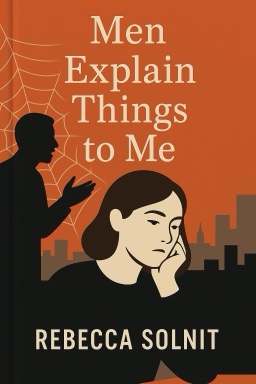
Rebecca Solnit
